Refund Delayed! How to Respond to IRS Notice CP63
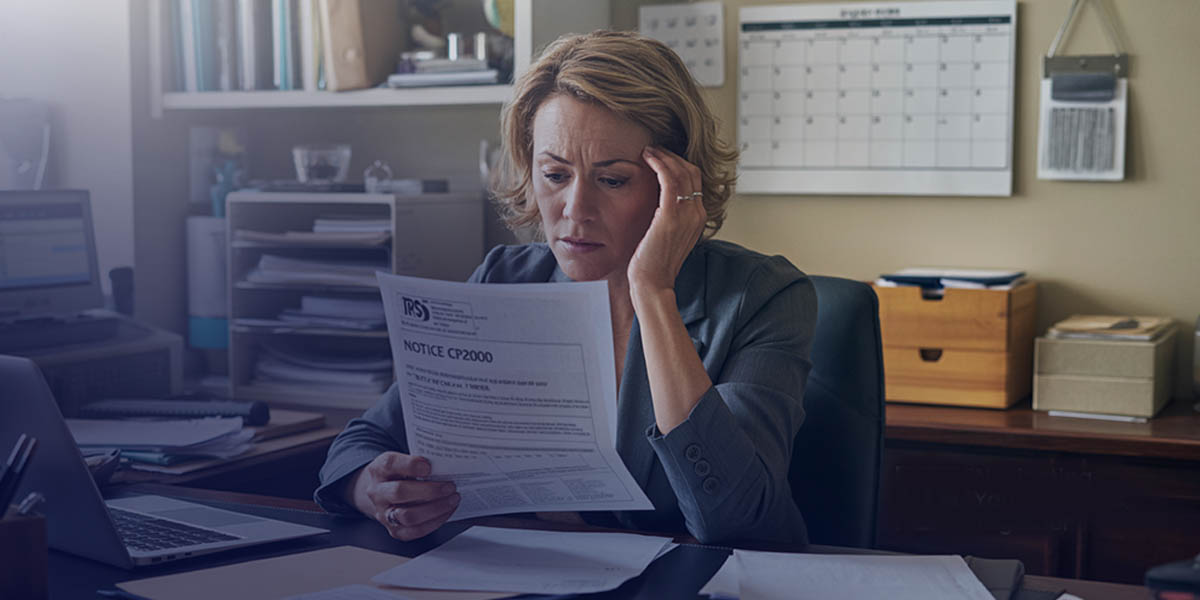
IRS Notice CP63 says that the IRS is holding your tax refund because you have unfiled returns, and the agency believes that you may owe tax. To get the refund, you'll either need to file your back taxes or explain to the IRS why you didn't need to file.
This situation can be very frustrating – especially if you've been waiting for your refund to cover bills or splurge on a big expense. To get help now, use TaxCure to find an experienced tax professional in your area.
Key takeaways
- CP63 – IRS notice about delayed refund.
- Why you received it – you have unfiled returns, and the IRS thinks you may owe taxes.
- How to respond – file your tax return or explain to the IRS why you didn't need to file.
- What if you don't respond – the IRS may continue to hold your refund.
What Is IRS Notice CP63?
IRS Notice CP63 is a delayed tax refund notice. It explains that the IRS is holding your tax refund due to unfiled returns. Basically, the IRS thinks that if you file, you'll owe taxes, and they're holding your refund just in case.
In short, they don't want to give you money now because they think you might owe tax from a prior period. Why do they think that? Generally, it's because they have income documents in your Social Security Number for a previous year – for example, W-2s, 1099-NECs, 1099-Ks, 1099-Bs, 1099-Rs, or similar types of forms.
How to Respond to Notice CP63
There are a few different ways to respond to CP63 – the right option depends on your situation. Here's an overview.
- File your unfiled returns – if the CP63 notice says which years were unfiled, you can simply file those years. Generally, you only need to file six years of returns to get back into compliance.
- Tell the IRS why you're filing late – if you haven't filed but you know you're supposed to, reach out to the agency and let them know why you're filing late. This may not get your refund released, though. Generally, you'll need to file if you want your refund.
- Explain why you didn't need to file – if you didn't have a filing requirement for the year in question, you should reach out to the IRS and explain why you didn't need to file. They may request additional information, such as profit and loss statements from your business, to show that you were under the filing threshold.
If you're not sure how to respond to this letter, or if you believe it was issued to you in error, contact the IRS directly. Or reach out to a tax professional for help.
What if I already filed a tax return?
If you filed in the last few weeks, the agency may have received the return but not processed it yet. Check with your IRS online account to see if they have received your return. You may need to resubmit it if the IRS didn't receive it – but make sure you talk to the agency or reach out to a tax pro before filing a new return.
How to file a tax return after receiving Letter CP63
If you've realized that you've missed a tax return and that's why you received this letter, it's time to get back into filing compliance. Consider reaching out to a tax professional – but here's a basic overview of the process:
- Identify the unfiled years – first figure out which years you need to file. If you have decades of unfiled returns, you usually just need to do the last six. If you're unsure, ask a tax preparer who handles back taxes on a regular basis.
- Get the forms for the relevant years – the tax code changes every year. You need the forms for the years that you didn't file. Most online tax prep software goes back three years. A tax pro can help you get other years, or you can have the IRS mail you the forms.
- Gather income documents – download wage and income statements from the IRS's portal. If you were self-employed, use point-of-sale records, bank account statements, etc., to reconstruct your expenses.
- Fill out the forms – ideally, you have a pro do this, or you use software, but if needed, you can still fill out the forms by hand; it's just confusing and error-prone.
- Submit everything to the IRS – depending on how old the returns are, you may need to mail them to the IRS. Also, their online filing system closes down every year for a short period.
- Follow-up – Be sure to follow up and check that the IRS has received the returns.
For returns due in the last three years, you can generally still claim a tax refund – so if those returns show that the IRS owes you, you're in luck. On the other hand, if the returns show a balance due, the IRS will keep the refund that they're holding and apply it to this debt.
What to Expect After You Respond to the IRS
If you file your back taxes and you owe money from those years, the IRS will apply your tax refund to those tax debts. If there's any money remaining, the agency will send that to you. Also, if you file and don't owe anything, the IRS will also release your refund.
Although it's stressful to wait for a refund that you were expecting, there's a silver lining – the IRS adds interest to your refund. The interest applies from the filing deadline of the tax return with a refund or the date you filed if later.
What if you show the IRS that you didn't need to file? In that situation, the agency will release your tax refund, and they'll also add interest.
How to deal with a new tax debt
Unfortunately, in this situation, you may end up with a tax bill – that happens if you file the old years and the amount owed is more than the refund the IRS is holding. In that case, you need to make payment arrangements for the new tax liability. Here are the main options:
- Installment agreement: Make monthly payments on your tax debt, for up to 10 years or until the collection statute expiration date (CSED) if sooner.
- Partial payment installment agreement: Make partial monthly payments based on your budget, and on the CSED, the IRS will waive the remaining tax debt.
- Offer in compromise: Settle your tax debt for less than owed, by proving that your settlement is the most you can afford to pay based on your income and assets.
- Currently not collectible: Prove that you can't pay anything, and the IRS will stop collection actions on your account. However, if you file future returns that show a refund, the IRS will apply those payments to your tax debt.
You may also want to apply for penalty abatement to reduce your penalties as much as possible. Make sure to explore all your options – often, people set up payment plans, thinking that's the best option, but if they had done some additional research, they would have realized that they could have qualified for a settlement or a partial payment arrangement.
What if You Don't Respond to CP63?
If you don't respond, the IRS will continue to hold your refund. They will not release the refund until they hear from you. However, they will still owe you the money, and interest will continue to accrue in your favor until you rectify the situation.
Additionally, the IRS may continue to pursue your unfiled returns. Here's a breakdown of what may happen:
- Additional notices – the IRS may send a CP59 non-filer notice, as well as Form 15103, which you fill out to explain why you didn't file. Then, the agency may send other notices, such as the CP518.
- Substitute for return – eventually, the IRS may use the information they have to file a return on your behalf. Called substitutes for returns or SFRs, these returns generally overstate your tax liability because they don't use the optimal filing status or provide you with deductions or credits.
- Notice of deficiency – the notice of deficiency gives you 90 days to respond, and if you don't, the tax due shown on your SFR gets assessed against you. Once that happens, the IRS can start the collection process. However, first, they'll apply the refund you've been waiting for to your balance due.
- IRS collections – the IRS may file tax liens, garnish wages, levy bank accounts, or seize your assets to collect the unpaid taxes.
To protect yourself, you should reach out to a tax professional as soon as possible in this process. The longer you wait, the worse the issue may become. Learn how using TaxCure can help you find a tax pro.
Other IRS Refund Hold Notices
CP63 is not the only letter the IRS sends when they're holding your tax refund. Depending on the situation, you may receive the following:
- CP49: refund applied to a prior year balance.
- CP71 series: balance-due reminder
Additionally, the IRS may hold your refund if they need to review something on your tax return – for instance, a credit that you claimed. But those reviews generally only add a few weeks to processing time, at the most. They may also hold your refund if they suspect identity theft on your account and want to confirm that you really filed this return. If that happens, they'll send you a notice about the specific issue.
FAQs About IRS Notice CP63
How do I find out which year the IRS is holding my refund for?
Check the CP63 notice for which year you haven't filed. If the letter doesn't say, sign into your IRS online account to see which years are missing tax returns, or contact a tax professional to help you.
Can I get a CP63 if I already filed all my returns?
You may – but only if the letter was sent in error or if the IRS is still processing your return. If you don't think you should have received this notice, you should check your online account to see if your return was received. If not, check with your tax prep software to see if the return was sent correctly, or reach out to your tax preparer if applicable.
Will filing late returns release my refund?
Yes, if you file your delinquent returns, the IRS will release the tax refund, but only if you don't owe any money. If you owe taxes, the IRS will keep the refund and apply it to your tax liability.
Can the IRS take my state refund, too?
The IRS can seize state tax refunds, but not for unfiled taxes. The agency must assess the tax against you before it can use the Treasury Offset Program (TOP) to seize state refunds. Typically, they'll send a CP504 notice when they take your state tax refund.
How long does it take to resolve a CP63 notice?
Generally, if the IRS is holding your tax refund, they'll let you know within about eight weeks of filing. If you've filed and you haven't received anything yet, you can check the status of your refund using the IRS's Where's My Refund tool.
Get Help With Notice CP63 Now
Notice CP63 can be scary and confusing – but you don't have to deal with tax problems on your own. You need a licensed tax professional who specializes in tax problem resolution. That's where TaxCure comes in – start your search now, narrow down the results so you only see pros with the exact experience you need, and then, read reviews and find the right fit. Don't wait – use TaxCure to find help today.