Tax Avoidance vs. Tax Evasion: Which One Is Illegal? September 30, 2026

Tax avoidance and tax evasion both reduce your tax bill. But tax avoidance involves using legal strategies to reduce how much tax you owe, while tax evasion is a crime punishable by fines and possible jail time. Staying on the right side of the law requires you to understand the distinctions between these two concepts – if in doubt, use TaxCure to find a tax professional to help you.
IRS Tax Debt Help Tool: Free Advice, Requires Caution July 08, 2026

In April 2026, the IRS released a new digital tool with the intention of helping taxpayers navigate tax debt relief options. Does it use generative AI to tell you about resolution strategies? Can it scan your IRS transcripts to provide custom guidance? Or help you apply for relief quickly? Nope, nope, and nope.
How Much Are Attorney Fees for IRS Offer in Compromise? February 22, 2026

An IRS Offer in Compromise (OIC) program is a legitimate way to settle your tax debt. It allows you to pay less than what you owe, but still meets your IRS obligations. OIC is typically available to those who cannot afford to pay in full, but the application process is complicated.
Catch Up on Corporate Tax Returns Without Audit Risks February 16, 2026

Unfiled corporate tax returns cost businesses at least 5% in failure-to-file penalties monthly, and penalties and interest continue to accrue until you file. But once you get behind, it can be hard and potentially even scary to catch up. Many business owners avoid filing back returns because they fear it will trigger an audit.
How to Correct Payments Made for the Wrong Tax Year February 08, 2026
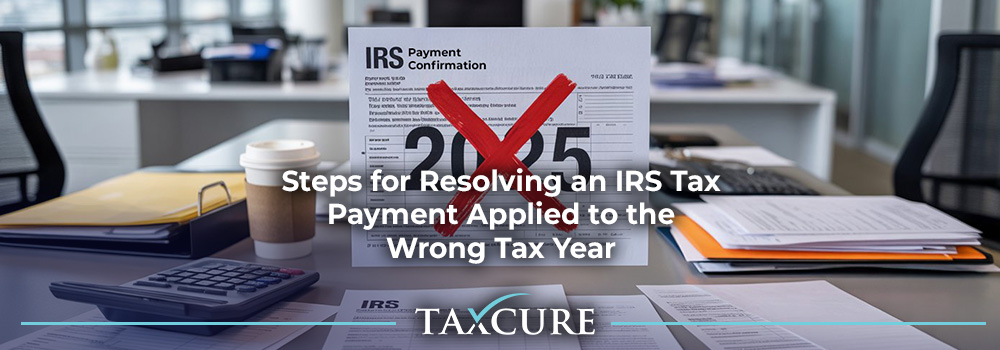
If you accidentally make a payment for the wrong tax period, the IRS will apply any overpayments to tax periods with balances due and send you a refund of the remaining amount.
How to Become a Florida Resident for Tax Purposes January 31, 2026

The most effective way to claim residency in Florida is to move there, start working, and establish a life in a Florida community. But it’s not always that straightforward. Depending on where you live now, where you have other residences, and your long-term goals, the process can be a lot more complicated.
How Do Tax Liens Affect Credit? Can You Get Loans? January 24, 2026

IRS and state tax liens do not appear on credit reports – that means they don’t affect your credit score, but they’re public records, so they do affect your ability to borrow money.
Help! My Business Was Suspended by the California FTB January 21, 2026

In California, the FTB may suspend your business if you don’t pay or file your taxes. If suspended, your business cannot operate, but it also can’t take any other actions, including selling assets, dissolving the company, entering into contracts, or defending itself in court (or bringing lawsuits against other parties). Suspension puts you into a state of limbo where you cannot operate, but you also can’t really liquidate your assets and shut down either.
Help! My Business Hasn't Been Collecting Sales Tax January 13, 2026

Failure to collect sales tax as required can lead to penalties, personal liability for the unpaid tax, and even criminal exposure or loss of your business license. However, there is always a solution, and the sooner you reach out for help, the better. This article outlines the consequences of not collecting sales tax and how to get into compliance, so you know what to expect.
IRS to Automatically Abate First-Time Penalties in 2026 January 10, 2026
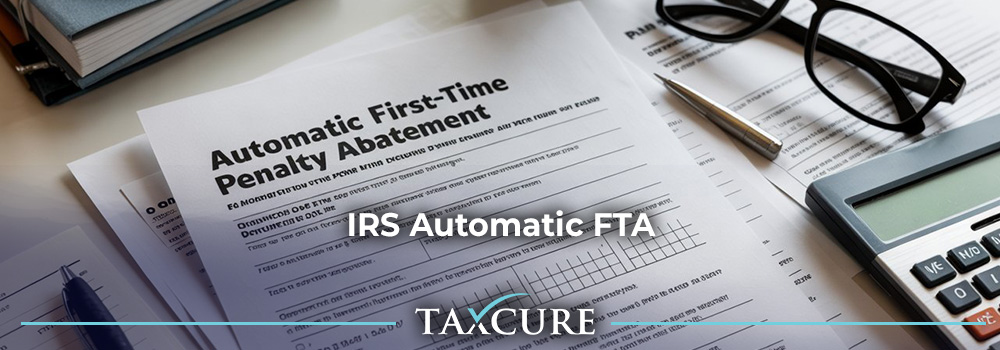
The IRS plans to automatically apply first-time penalty abatement for qualifying taxpayers, starting in the 2026 filing season. The automatic abatement applies to tax returns from tax year 2025 on failure-to-file, failure-to-pay, and failure-to-deposit penalties.
Local Tax Problem Professionals
Loading ...